

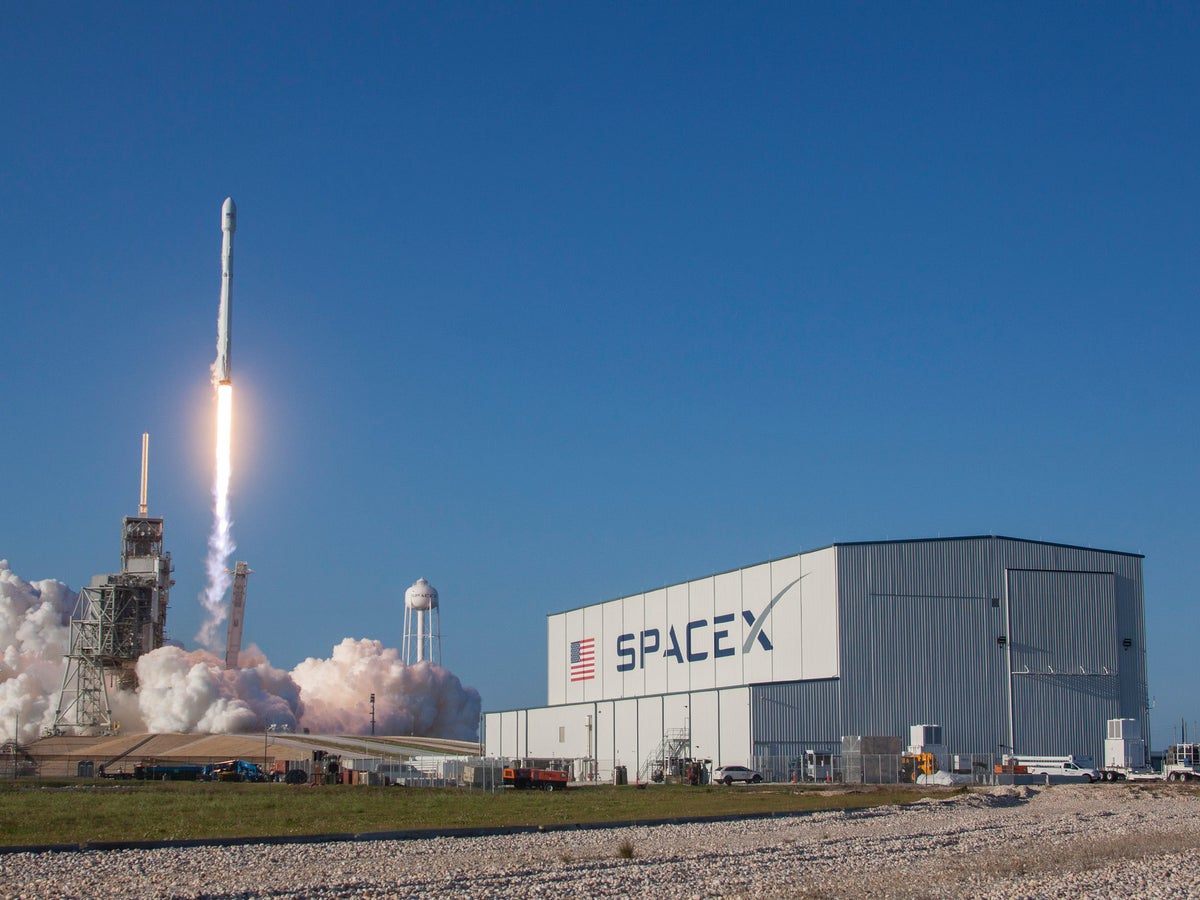
SpaceX has continued expanding its dominance in the satellite internet industry after successfully launching 24 additional Starlink satellites into low Earth orbit. The latest mission was carried out using a Falcon 9 rocket from Vandenberg Space Force Base in California on May 19.
The mission, known as Group 17-42, marked another major step in the company effort to strengthen its global satellite internet network. Falcon 9 lifted off at approximately 10:46 p.m. EDT before successfully deploying the satellites into orbit within minutes. The satellites were fully released less than an hour after launch.
The latest deployment highlights SpaceX’s growing ability to conduct rapid and consistent space operations. With this mission, the company is now edging closer to having around 10,500 Starlink satellites in low-Earth orbit, further cementing its position as the leading operator of satellite based internet services worldwide.
Beyond the satellite deployment itself, the mission also demonstrated the continued success of SpaceX reusable rocket technology. The Falcon 9 booster, identified as B1103, successfully landed on the autonomous drone ship Of Course I Still Love You stationed in the Pacific Ocean shortly after launch. Reusability remains one of the company’s biggest advantages, allowing it to significantly reduce launch costs while increasing mission frequency.
The Starlink project has become a central part of SpaceX long term strategy to provide high speed internet access to remote and underserved regions around the world. By operating thousands of satellites in low Earth orbit, Starlink is able to deliver lower latency and more stable internet connections compared to traditional satellite communication systems.
Starlink Expands Global Reach Amid Growing Competition
The rapid expansion of Starlink also reflects the increasingly competitive nature of the global space and telecommunications industry. SpaceX is no longer focused solely on commercial rocket launches but is also building a large scale communications ecosystem that could reshape global internet accessibility in the coming years.
Recent reports indicate that the company aims to dramatically increase the number of orbital launches annually within the next five years. Such ambitions underline SpaceX aggressive approach in maintaining its lead in both the commercial space and satellite internet sectors.
Several governments and regional authorities have also begun collaborating with Starlink to improve digital connectivity in rural and hard to reach areas. In India, for example, the state of Meghalaya recently signed an agreement with Starlink to enhance internet access in mountainous regions where traditional infrastructure remains limited.
Despite its technological achievements, the rapid growth of Starlink satellite constellation has also sparked concerns among astronomers and space researchers. Critics have raised issues regarding orbital congestion, increased collision risks and light pollution that could interfere with astronomical observations.
Nevertheless, SpaceX remains at the forefront of the satellite internet race. With an increasingly aggressive launch schedule and maturing reusable rocket systems, the company is expected to play a major role in shaping the future of global communications and internet connectivity.