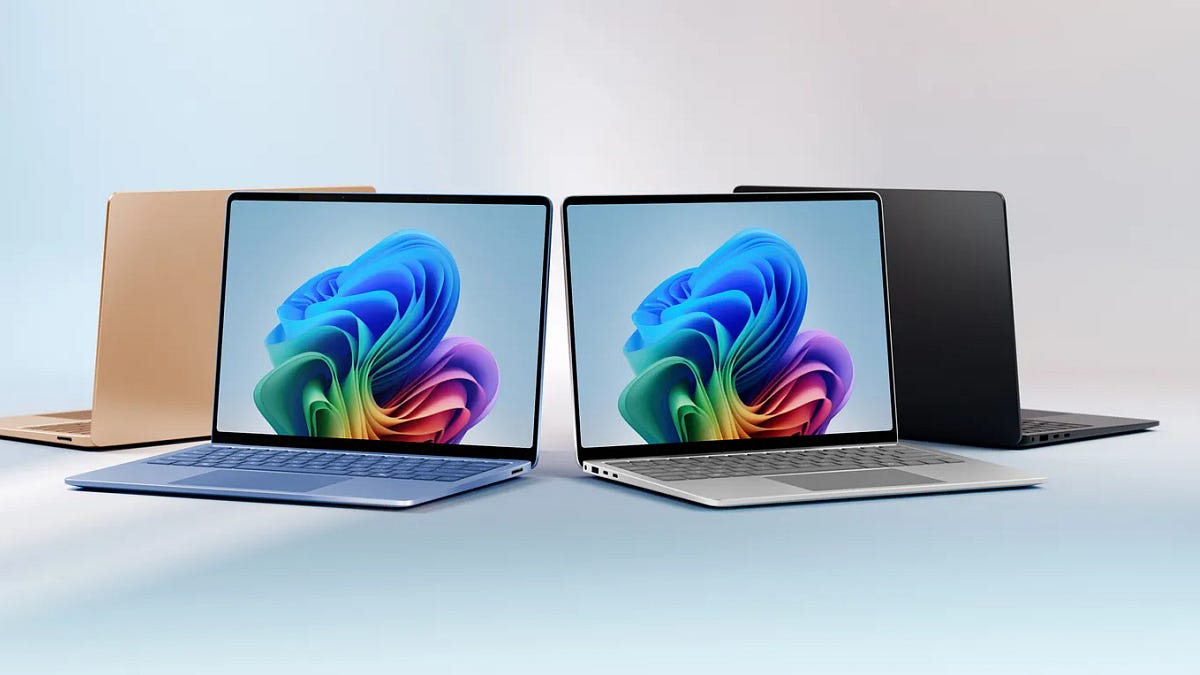
Microsoft is preparing a new wave of updates to its Surface lineup, signaling a shift toward internal performance gains and long-term platform flexibility rather than bold redesigns. The upcoming refresh expected to roll out in phases through 2026 will bring changes to processors, displays and system components across both Surface tablets and laptops.
At the center of the update is a dual-chip strategy. Microsoft plans to equip its next-generation Surface devices with both Intel’s latest Core Ultra processors and Qualcomm’s Snapdragon X-series chips. This approach reflects a broader industry trend: balancing traditional computing power with energy-efficient, AI-focused architectures. Intel-powered models are expected to appeal to users reliant on legacy software and high compatibility, while Snapdragon variants promise longer battery life and enhanced on-device AI capabilities.
The rollout is expected to begin with Intel-based devices in the first half of the year, followed by Snapdragon models later, suggesting supply chain or optimization considerations are shaping Microsoft’s timeline.
Display technology is also receiving attention. Reports indicate that select premium Surface devices will adopt OLED panels, offering deeper contrast and more vibrant colors compared to the LCD screens used in most current models. While not universal across the lineup, the move signals Microsoft’s intent to keep pace with competitors pushing higher-end visual experiences in portable devices.
Memory and storage configurations are set to expand as well, with higher-end models potentially reaching up to 64GB of RAM and 2TB of solid-state storage. These upgrades position Surface devices more competitively for demanding workloads such as software development, creative production and AI-assisted tasks.
Other refinements are more subtle. Improvements to haptic feedback systems aim to enhance touch and stylus interactions, aligning with evolving Windows features designed around tactile responsiveness. Connectivity changes are also expected to continue, with USB-C becoming more central as Microsoft gradually reduces reliance on proprietary ports..
Despite these updates, the overall design language of Surface devices is expected to remain largely unchanged. This decision underscores Microsoft’s current strategy: iterate on a mature hardware identity while investing in internal advancements and software integration.
In parallel, Microsoft continues to release firmware updates for existing Surface models, improving system stability, battery management and component reliability. These incremental updates highlight a parallel track of optimization alongside new hardware releases
.Industry analysts note that while the upgrades are meaningful, they may not dramatically alter the competitive landscape on their own. Pricing remains a point of concern with some observers warning that premium positioning could limit accessibility, especially as rivals introduce aggressively priced alternatives.Still, Microsoft’s measured approach reflects a broader shift in personal computing where gains in efficiency, AI capability and display quality are becoming more important than radical redesigns. For Surface users, the next generation may look familiar on the outside but it represents a quieter evolution under the hood.