In a rare moment of candor from the top ranks of the gaming industry, Microsoft’s Xbox division has acknowledged what many players have been saying for months: Xbox Game Pass had become too expensive. The admission attributed to Xbox CEO Asha Sharma has now triggered a significant shift in how one of gaming’s most influential subscription services is priced and positioned.
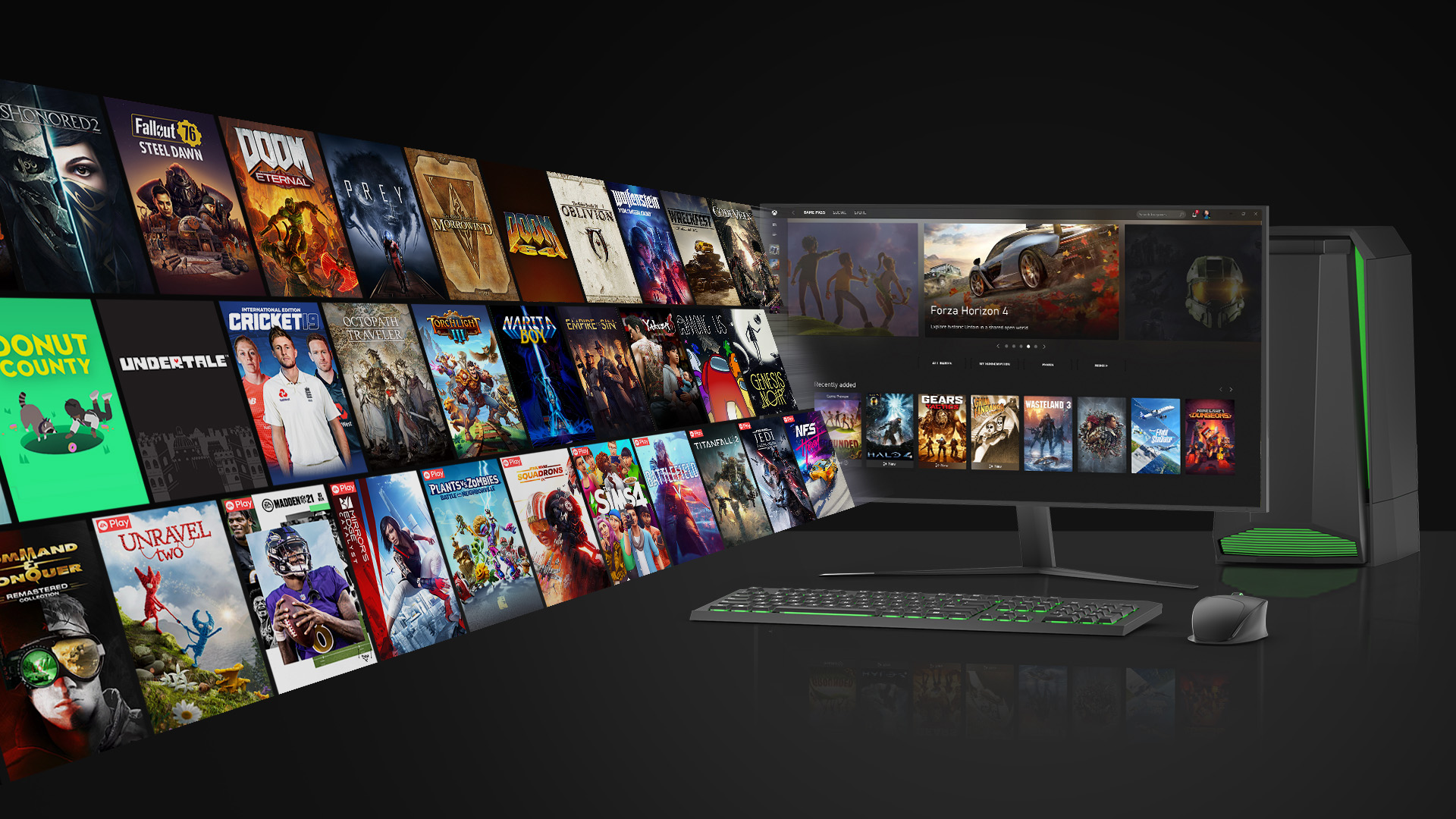
For years, Xbox Game Pass has been held up as the gold standard of gaming subscriptions. With a rotating catalog of hundreds of titles and high-profile releases available at launch, it reshaped how players accessed games and how publishers distributed them. But that success came at a cost literally.
Internally, Microsoft began to see signs that pricing had outpaced perceived value. Rising subscription tiers, combined with expectations of premium “day-one” releases, created a model that was increasingly difficult to sustain while still appealing to a broad audience.
Sharma’s acknowledgment that the service had become too expensive marks a notable shift in tone for a company that has long championed Game Pass as its central gaming strategy.
In response, Microsoft has moved quickly to adjust. The company announced price reductions across key Game Pass tiers, lowering the monthly cost for both Ultimate and PC subscribers.
However, the price cuts come with a trade-off that could reshape user expectations:major blockbuster titles especially new Call of Duty entries will no longer launch on Game Pass on day one.
Instead, these titles are expected to arrive on the service months or even a year, after their initial release.This marks a significant departure from one of Game Pass’s biggest selling points: instant access to high-profile releases at no additional cost.
Balancing Value and Sustainability
Industry analysts suggest this move reflects a broader recalibration. While day-one releases helped Game Pass grow rapidly, they also carried immense financial weight especially as game development costs continue to climb.By delaying marquee titles, Microsoft appears to be:
- Reducing upfront licensing and development recovery pressure
- Preserving long-term subscription value
- Creating a hybrid model that blends affordability with staggered premium access
Community Reaction: Mixed but Measured
Player response has been divided.Some subscribers welcome the lower price point, especially in regions where monthly costs had become a barrier. Others see the removal of day-one access as a fundamental weakening of the service’s identity.
For many, the question is simple:Is Game Pass still worth it without instant access to the biggest games? The answer may depend on how Microsoft fills the gap with indie hits, mid-tier releases and legacy titles now expected to carry more weight in the lineup.
Microsoft’s adjustment could ripple far beyond Xbox.Subscription models across gaming whether from Sony, Nintendo or emerging cloud platforms are all grappling with the same tension:how to balance affordability, content value, and long-term profitability.
By openly acknowledging a pricing problem and acting on it, Xbox may be signaling a new phase for the industry one where sustainability takes priority over aggressive expansion.Microsoft isn’t abandoning Game Pass but it is redefining it.Lower prices make the service more accessible.Reduced day-one access makes it more sustainable.Whether players see that as a fair trade will determine the next chapter of Game Pass and possibly the future of gaming subscriptions as a whole.