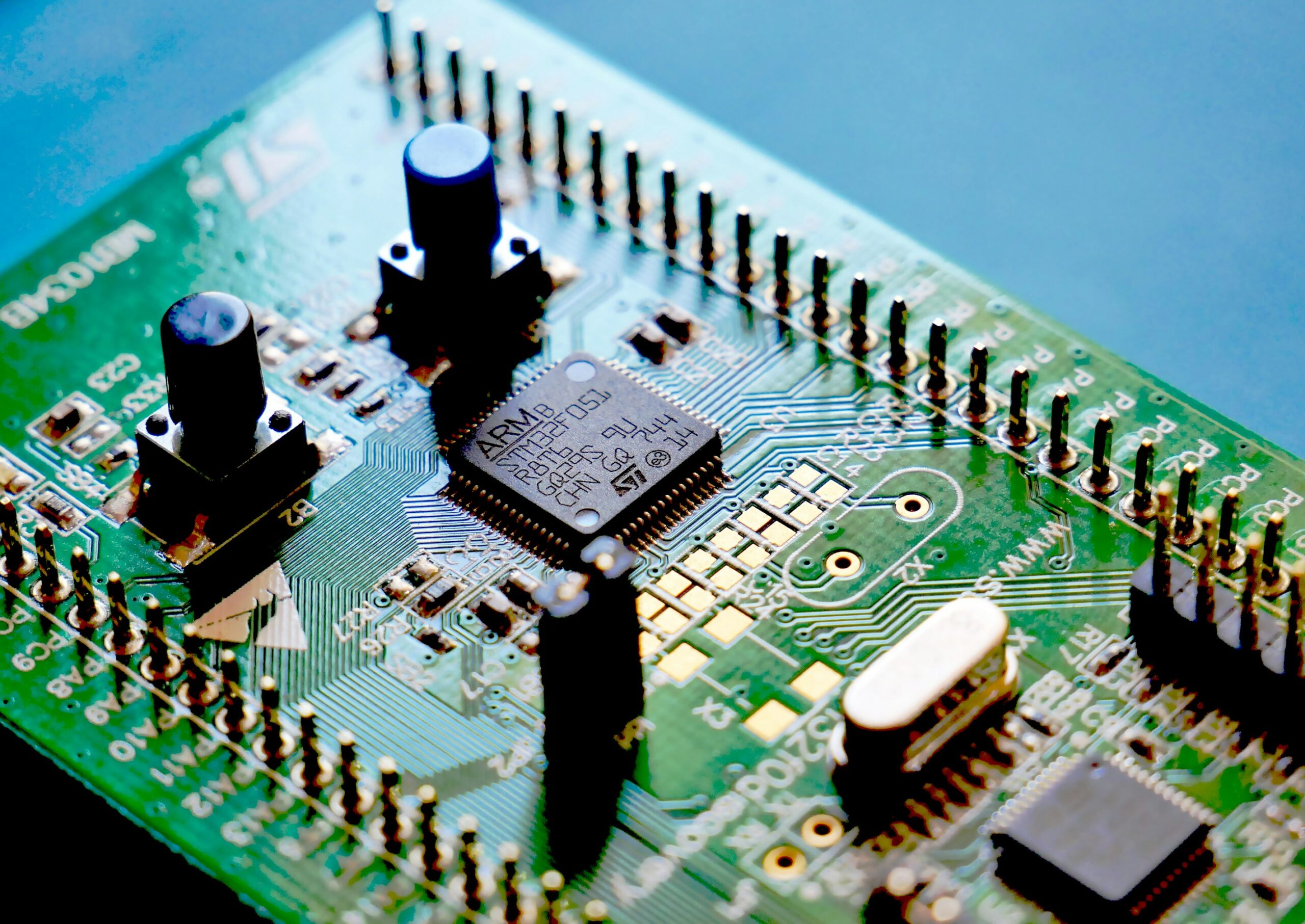
BEIJING/SEOUL, April 27, 2026 — Ongoing conflict in the Middle East is beginning to ripple through the global technology industry, as the Iran war disrupts the supply chain for printed circuit boards (PCBs), a critical component used in nearly all modern electronic devices from smartphones to artificial intelligence (AI) servers.
The disruption follows Iranian strikes on a petrochemical complex in Jubail, Saudi Arabia, earlier this month. The facility is a major producer of polyphenylene ether (PPE) a key material used in PCB laminates. The attack has significantly curtailed global PPE output, with major producers such as SABIC yet to fully restore operations.
The impact has been swift. PCB prices have surged by as much as 40% in April alone, driven by tightening raw material supplies and sustained demand, particularly from AI and cloud computing sectors. Other materials, including copper foil and fiberglass, are also facing shortages with copper prices rising roughly 30% so far this year.
This cost escalation is adding pressure on technology firms already grappling with rising memory chip prices and logistical disruptions in the Gulf region. PCB manufacturers across Asia, including in South Korea, have begun negotiating price increases with major clients such as global chipmakers and device producers.
The situation is also shifting industry priorities. Where companies once focused on maintaining customer relationships, they are now increasingly prioritizing securing scarce raw materials.
At the same time, the conflict is exacerbating global logistics challenges. Iran’s strategic position along key shipping routes has complicated distribution channels, forcing manufacturers to seek alternative supply sources that are often more expensive and less efficient.
Analysts warn that rising costs are likely to be passed on to end consumers, potentially pushing up prices for electronic devices worldwide. The situation could also slow growth in the technology sector, which had been projected to reach nearly $100 billion in value by 2026.
More broadly, the Iran conflict is triggering a domino effect across multiple industries from energy to manufacturing as companies report higher input costs, shipping delays and growing uncertainty over future business conditions.
With demand for advanced technologies especially AI continuing to surge, the imbalance between supply and demand is expected to persist in the coming months, prolonging strain on an already fragile global supply chain.