

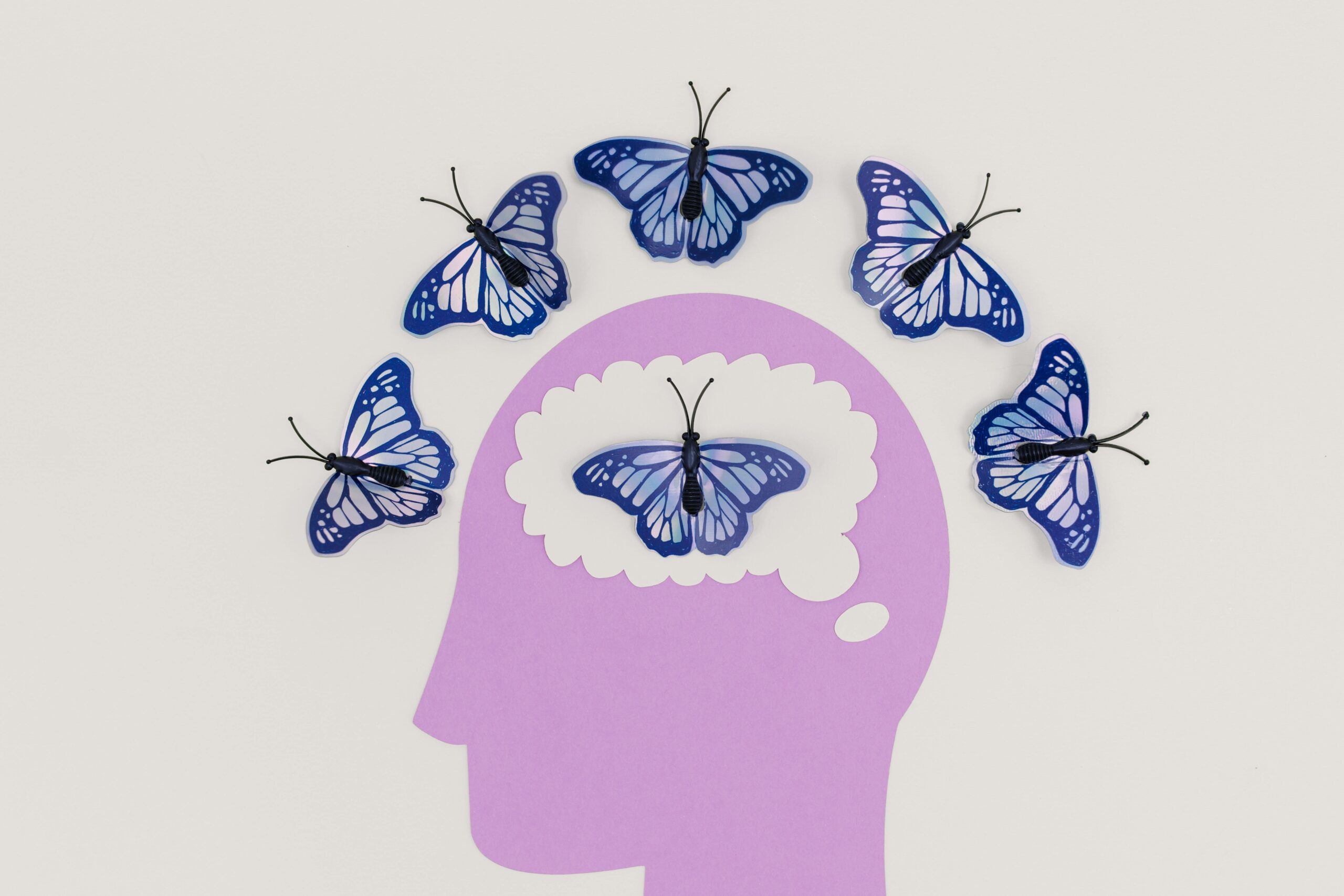
MONTREAL — In a breakthrough that could reshape the understanding of mental illness, scientists have identified specific brain cell types linked to depression, marking a major step forward in neuroscience research.
The study, conducted by researchers from McGill University and the Douglas Institute, found that two types of brain cells show significant changes in individuals diagnosed with depression. The findings were published in the journal Nature Genetics.
According to lead researcher Dr. Gustavo Turecki, the study provides the clearest picture yet of what occurs in the brain of people suffering from depression. He noted that this is the first time scientists have been able to map gene activity and DNA mechanisms to pinpoint the exact cells involved.
Two Critical Cell Types Identified
Both cell types were found to exhibit altered gene activity in individuals with depression, indicating disruptions in essential brain systems.The research focused on two key types of brain cells:
- Excitatory neurons — cells responsible for regulating emotions and responses to stress
- Microglia — immune cells in the brain that control inflammation
Strong Evidence: Depression Has Biological Roots
The findings reinforce the understanding that depression is not merely a psychological or emotional condition, but is closely tied to biological changes in the brain.The analysis was carried out using single-cell genomic technology on thousands of brain cells obtained from donor samples, including 59 individuals diagnosed with depression and 41 without the condition.
Unique Brain Bank Data Key to Discovery
The study relied on brain tissue samples from the Douglas-Bell Canada Brain Bank one of the few collections worldwide that includes tissue from individuals with psychiatric disorders.This approach allowed researchers to directly examine biological changes, something that is extremely difficult to achieve in living patients.
New Hope for Targeted Treatments
Researchers believe the discovery could pave the way for more precise treatments by targeting specific brain cell types.Future research will focus on understanding how these cellular changes affect overall brain function and exploring therapies that could restore normal activity.Depression affects more than 264 million people worldwide and remains one of the leading causes of disability. This discovery offers hope that future treatments could become more effective and targeted.